Tips for Designing Your Wardrobe
These are some tips that helps you to design your own wardrobe. Following these tips, it might helps to largely achieve what you look for regarding wardrobe design.
EXPERIENCE SHARING
admin
12/20/20253 min read
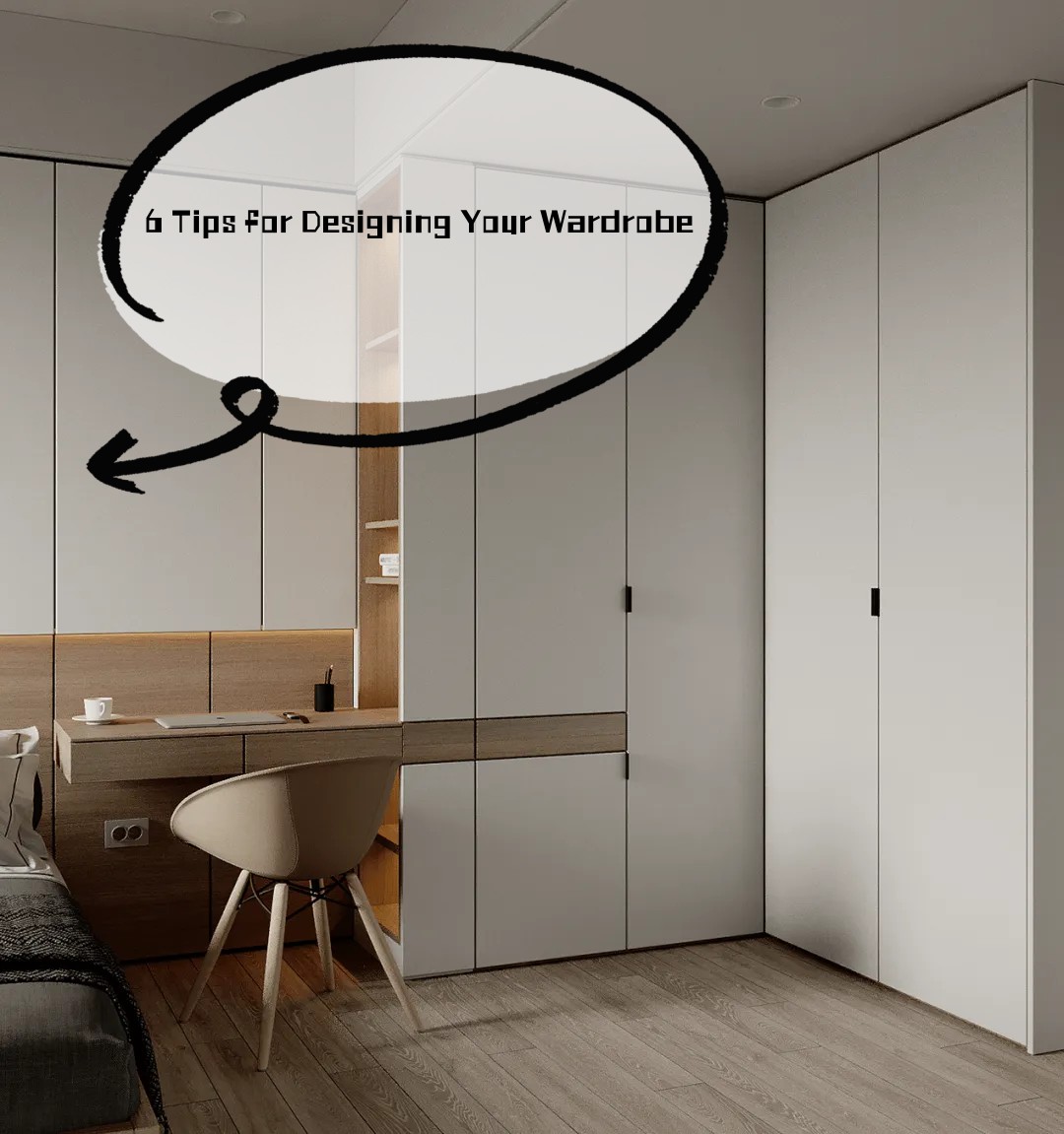
Remember these six tips, and you’ll be able to design a perfectly functional wardrobe with excellent storage capacity.
1.Prioritize the "golden zone" for hanging garments
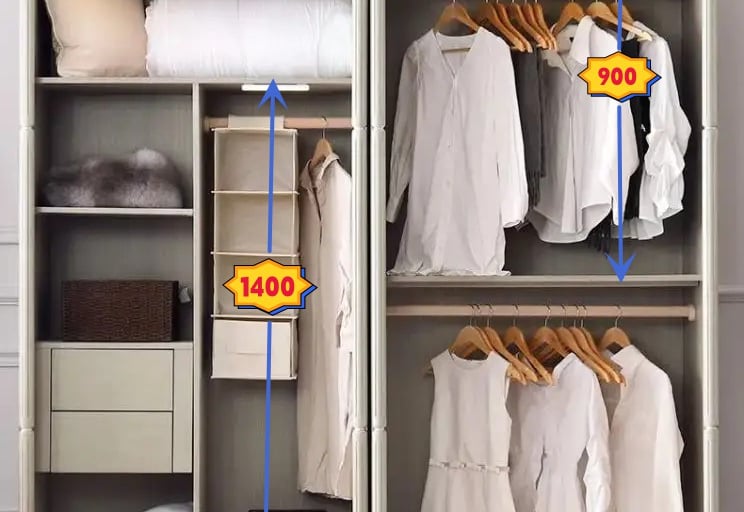
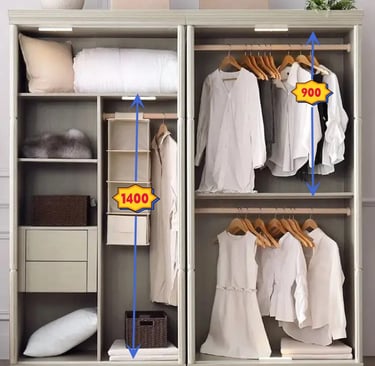
The most convenient and accessible area of a wardrobe lies between waist height and eye level for the user. This prime space is ideal for hanging clothes. For long garments like dresses or coats, allocate a hanging space of at least 1400mm; for shorter items like shirts or blouses, 900mm will suffice. This setup caters perfectly to daily wardrobe needs.
2. Opt for flexible storage over excessive fixed drawers
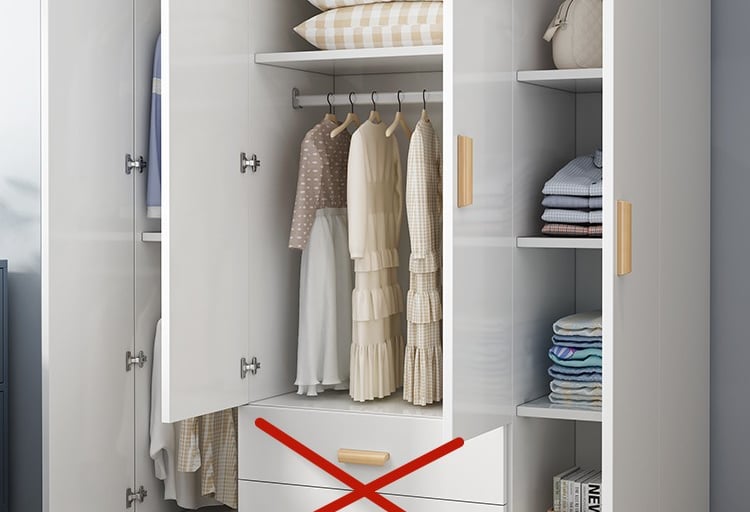
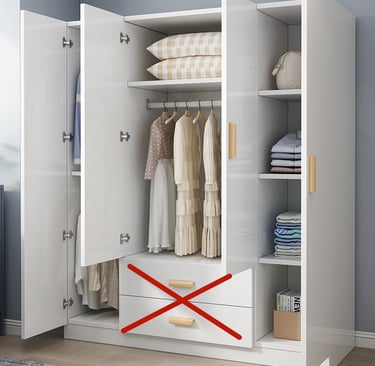
Ditch the idea of multiple fixed drawers—they take up valuable space unnecessarily. One fixed drawer is typically enough, and it’s perfect for storing delicate jewelry and small valuables. For everyday items like socks, ties, or scarves, use semi-transparent plastic boxes instead. These containers are movable, so you can tuck them into any empty spot in the wardrobe, and their clear design makes it easy to find what you need at a glance.
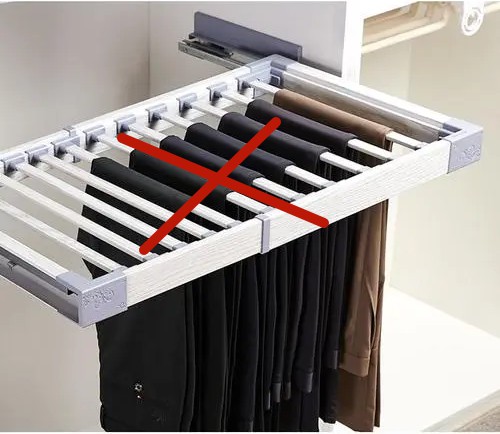
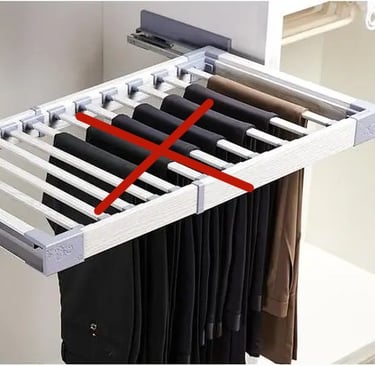
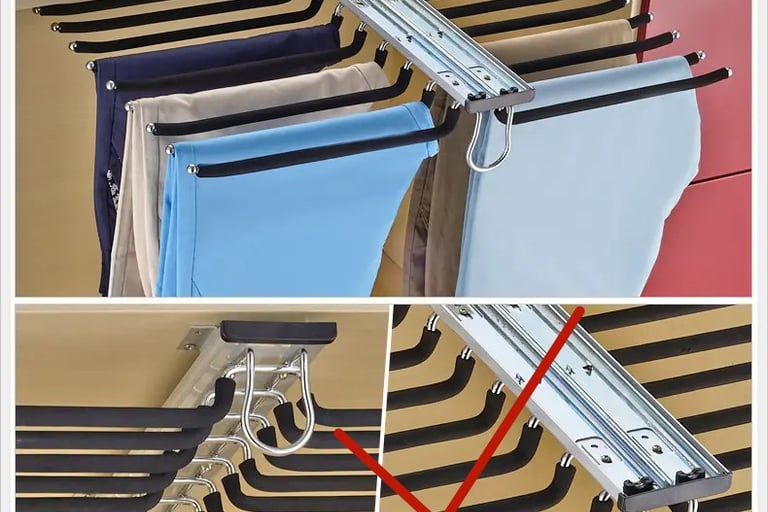
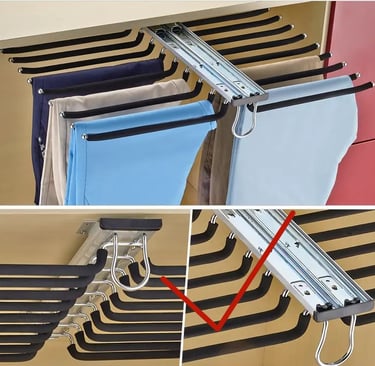
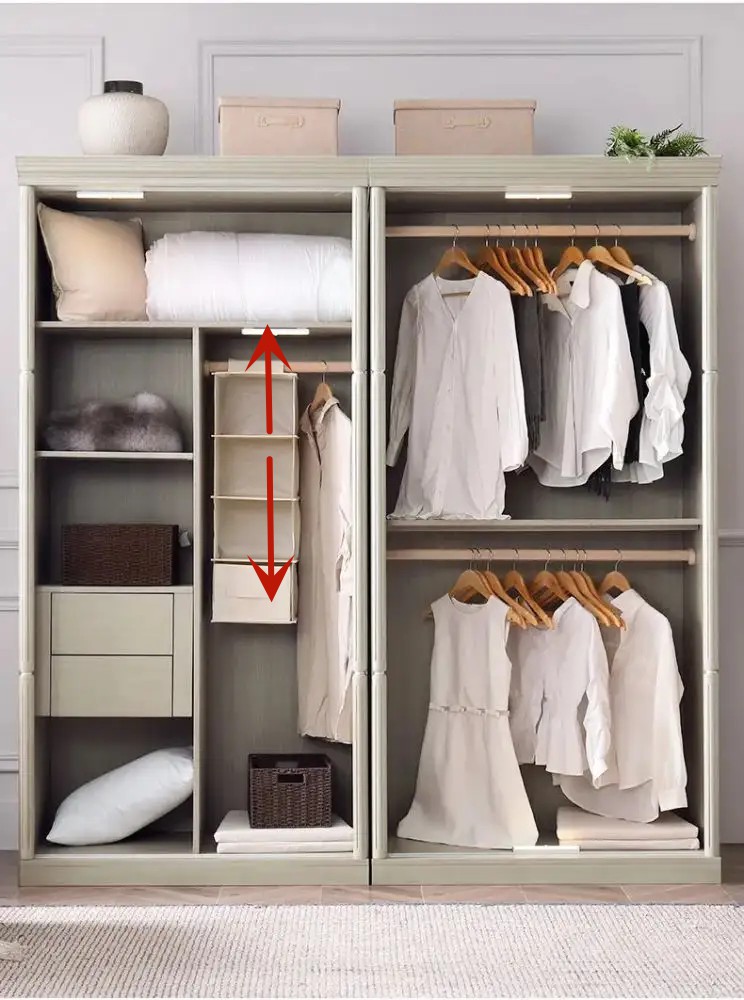
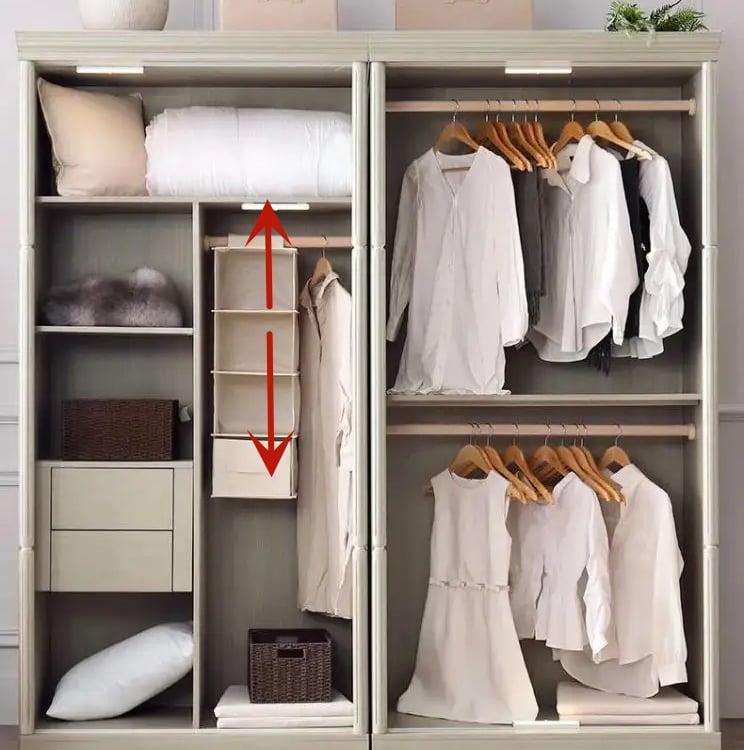
3.Choose vertical-extension trouser racks for better capacity
Avoid traditional trouser racks—they offer limited space and can’t hold many pairs. Instead, go for a vertical-extension rack (as shown in the image below). This design maximizes storage room and allows you to retrieve trousers effortlessly without disturbing other items.
4.Install more movable shelves for flexible spacing
Incorporate as many adjustable shelves as possible. They let you customize the wardrobe’s internal layout to fit items of different sizes, ensuring you make the most of every inch of space.
5.Reserve a dedicated top zone for bulky items
The top section of the wardrobe is the ideal spot for storing bulky items like quilts and suitcases. Make sure this area has a minimum height of 450mm, and leave ample distance between the vertical side panels. This ensures easy access and enough room to accommodate large, irregularly shaped items.
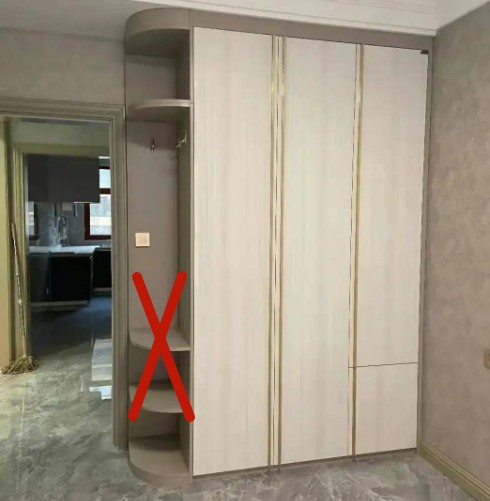
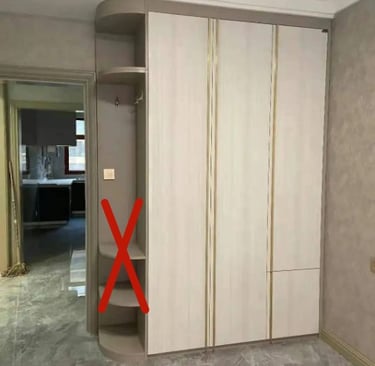
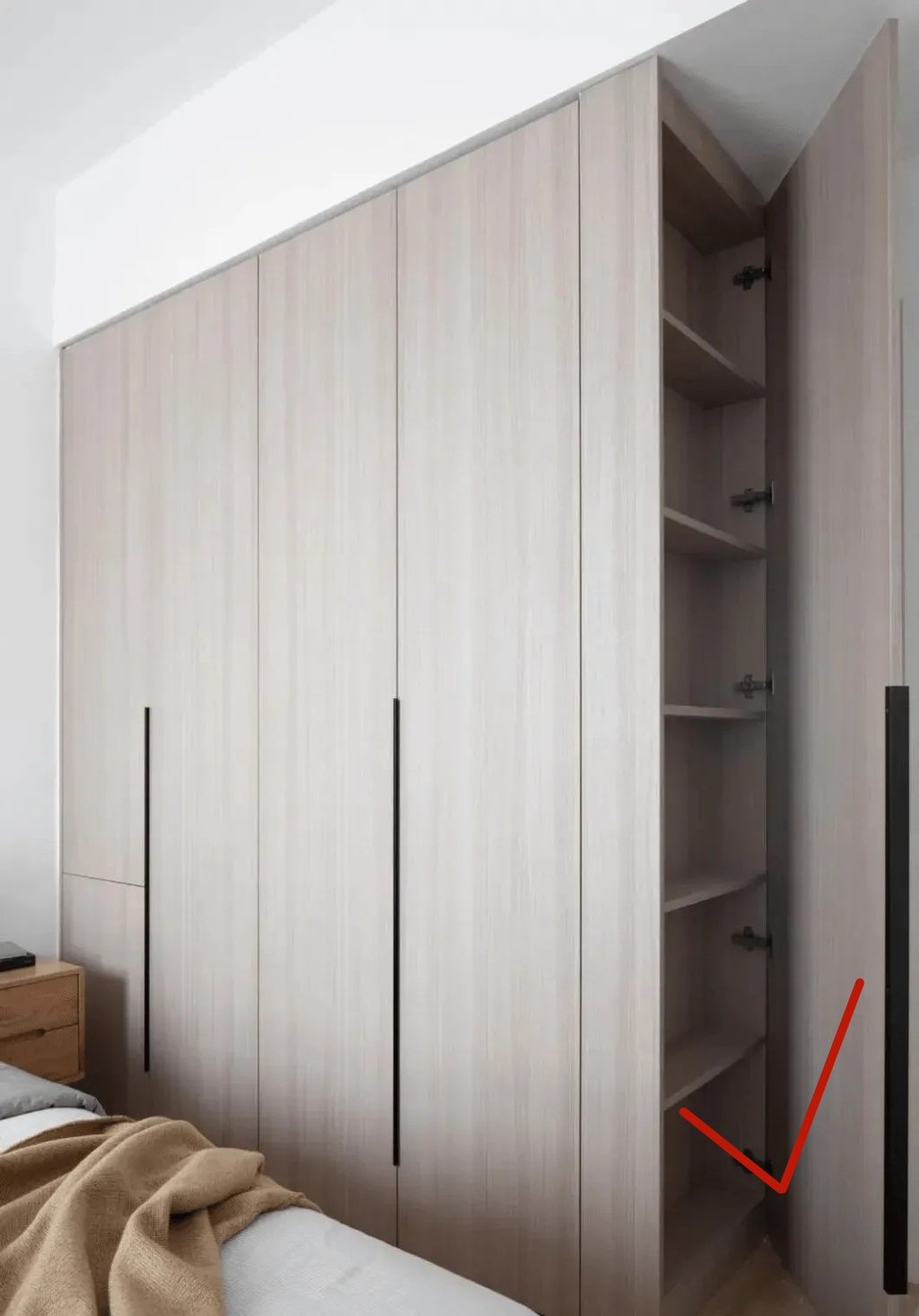
6.Swap open semi-circular shelves for slim-depth cabinets
Skip the open semi-circular shelf design—it tends to look cluttered and offers minimal practical storage. Replace it with a slim-depth cabinet instead. Not only does it have a cleaner, more streamlined appearance, but it also provides extra enclosed storage for small items.
These are the six key tips for designing a custom wardrobe that works for you. For more inspiration, feel free to browse online galleries or check out real-life examples—they’re great for picking up extra tricks to refine your perfect wardrobe design.