Choosing the Right Wood Panels for Decoration & Furniture
There are different kind of wood panels that are generally used for custom furniture and decoration. This article aims to clarify the advantages and disadvantages for different panels so as to offer indication for choose the right one for your own preference.
EXPERIENCE SHARING
admin
11/29/20252 min read
Picking the right wood panels for your home decoration or furniture projects can be trickier than it seems—especially when you factor in key considerations like formaldehyde emissions, cost, and intended use. To help simplify this process, let’s break down the five most common types of wood panels, their strengths, and their limitations.
1. Medium Density Fiberboard (MDF)
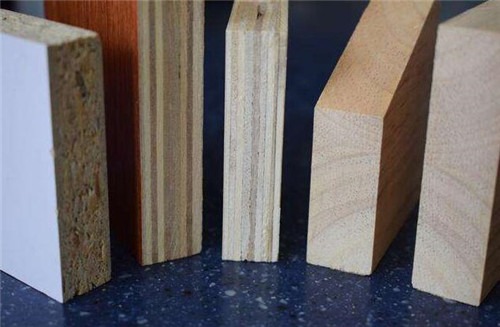
MDF is made by compressing wood powder with adhesive, which gives it two standout advantages: excellent moldability for intricate carvings and a smooth, even surface that takes glossy finishes beautifully. These traits make it ideal for decorative elements or furniture parts requiring detailed shapes.
However, MDF has notable drawbacks. Its structure makes it low in strength, and it readily absorbs moisture—leading to swelling if exposed to water. If you do use MDF for shaped components, ensure it’s fully coated to create a waterproof barrier.
2. Chipboard
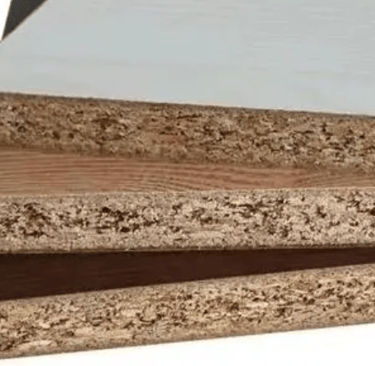
Chipboard is crafted from compressed small wood particles bonded with glue. Compared to MDF, it offers greater strength and better resistance to warping, thanks to its more stable structure. It’s also a budget-friendly option, making it a popular choice for cabinetry and widely used in the melamine-faced furniture industry.
The catch? Chipboard demands high-precision cutting. Poorly executed sawing often results in edge damage, so professional-grade cutting tools or techniques are recommended to maintain its integrity.


3. Plywood
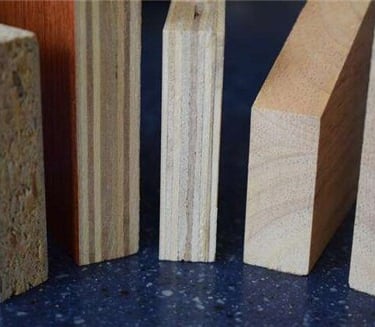
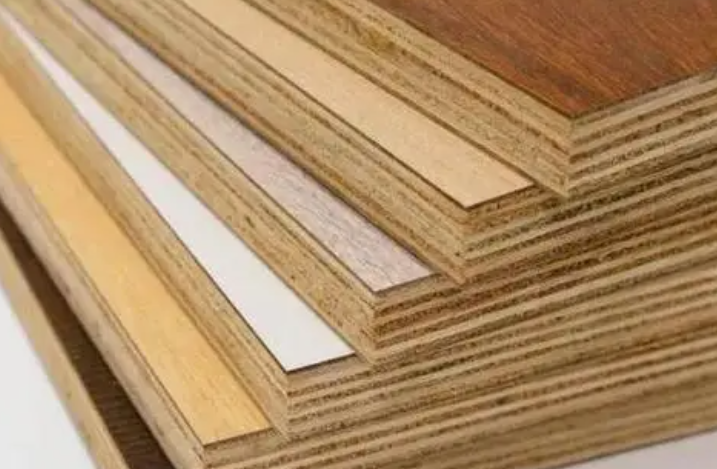
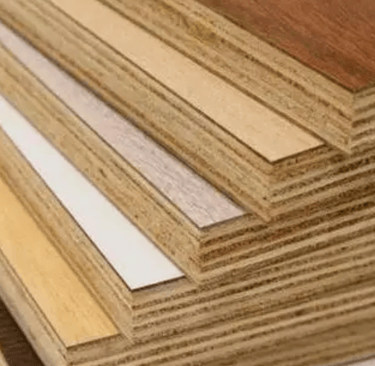
Plywood consists of multiple layers of solid wood sheets, bonded and pressed together like a wafer biscuit with adhesive. Its biggest advantage lies in its uniform strength across all directions, paired with good moisture resistance—two qualities that make it highly durable.
This durability makes plywood a top pick for built-in furniture (such as wall-mounted cabinets) and fixed fixtures, where stability and resistance to daily wear are essential.
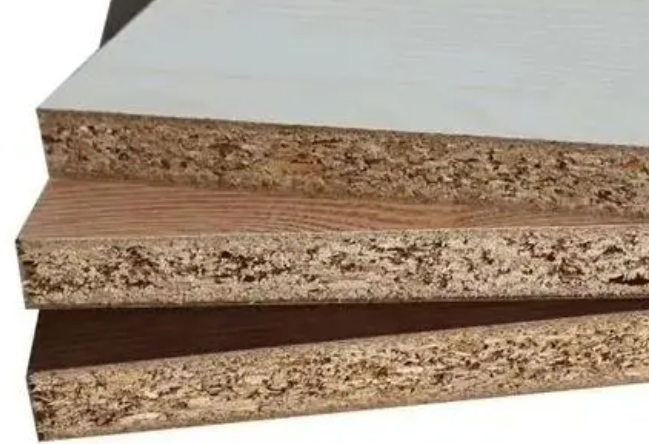
Additionally, the mix of different wood types in the core reduces its stability against expansion (e.g., from humidity). For this reason, blockboard is not recommended for making furniture doors, where dimensional stability is critical.
Each wood panel has its own unique strengths and weaknesses, so the best choice depends on your specific project needs. If you’re opting for custom furniture, partnering with a professional factory can take the guesswork out of panel selection—they’ll match the right material to your design and use case.
4. Blockboard
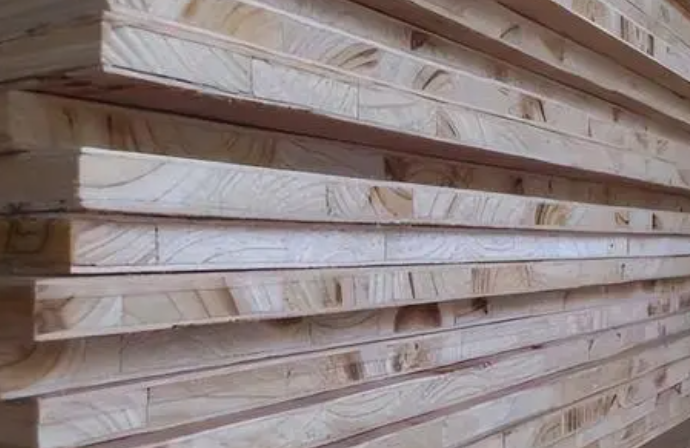
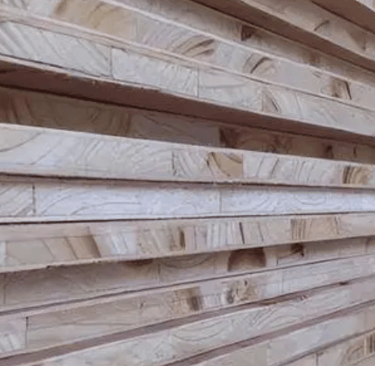
Blockboard features a solid wood core sandwiched between two outer layers of solid wood sheets. A key limitation stems from its core: the solid wood pieces are arranged in a single direction, which creates uneven strength—either horizontally or vertically.